
Will Your Radiology Information System Still Serve Your Practice in Five Years?
Target audience: Practice Owners / CIOs
Author: [CONFIRM AUTHOR]
Internal links: See https://kestral.com.au/frequently-asked-questions-why-upgrade-to-karisma/, https://kestral.com.au/k-link/, https://kestral.com.au/frequently-asked-questions-karisma-training-and-support/
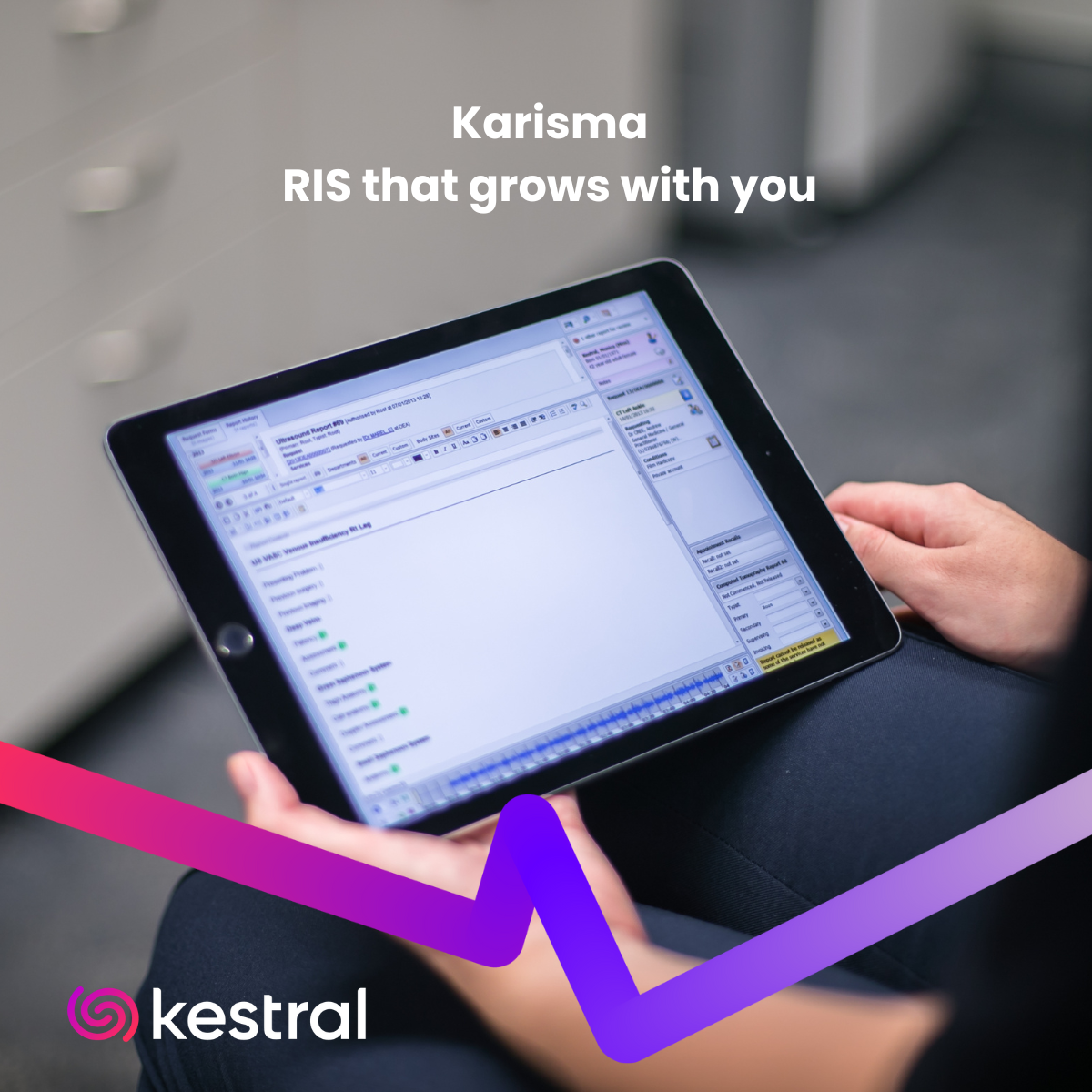
Karisma is built to scale with radiology practices across the full arc of growth, from single-site operations through to complex multi-site networks managing high examination volumes across diverse modalities. Additional worksites, new service types and expanded integration requirements can all be added within the existing system architecture, without rebuilding the configuration that already exists.
A RIS that serves a practice well at its current scale but cannot grow with it is a deferred problem. The system selected today will shape how the practice operates through every growth phase, new site opening and regulatory change that follows. This article covers how Karisma is built for that long-term reality across Australia and New Zealand.
How Does Karisma Scale With a Growing Radiology Practice?
Growth in a radiology practice typically arrives in one of three forms: increased examination volume at an existing site, expansion to additional sites, or diversification into new modalities and service types. Karisma is designed to scale across all three dimensions. Additional worksites can be added without rebuilding the configuration that already exists. Service types and modalities can be introduced within the existing system architecture.
How Does the Rebate Library Reduce Billing Complexity as Services Expand?
Karisma’s Rebate Library automates the mapping of service codes to the correct item numbers based on account type and workflow data. Staff do not need to memorise complex pricing schedules or make manual selections from extensive item number lists. The correct billing is applied automatically based on the information already captured in the system, ensuring consistent, compliant claims across the full service mix.
How Does the Key User Training Model Support Practice Independence?
Rather than training all staff to a uniform level, Kestral’s Key User training model equips nominated key users within the practice to configure and maintain Karisma independently. These key users develop a deep working knowledge of the system’s configuration capabilities, giving the practice the ability to make changes, onboard new staff and adapt workflows without routing every adjustment through the vendor.
For more on Kestral’s training and support model, see https://kestral.com.au/frequently-asked-questions-karisma-training-and-support/.
How Does Karisma’s Interoperability Support a Growing Technology Environment?
Karisma’s PACS-agnostic design and open API mean practices are not locked into a specific ecosystem. The tools a practice chooses can connect to Karisma as the practice’s needs evolve. K-Link governs those connections with security controls and throttle management, keeping the integration environment stable and manageable as it grows in complexity.
For full detail on K-Link and the Karisma API, see https://kestral.com.au/k-link/.