
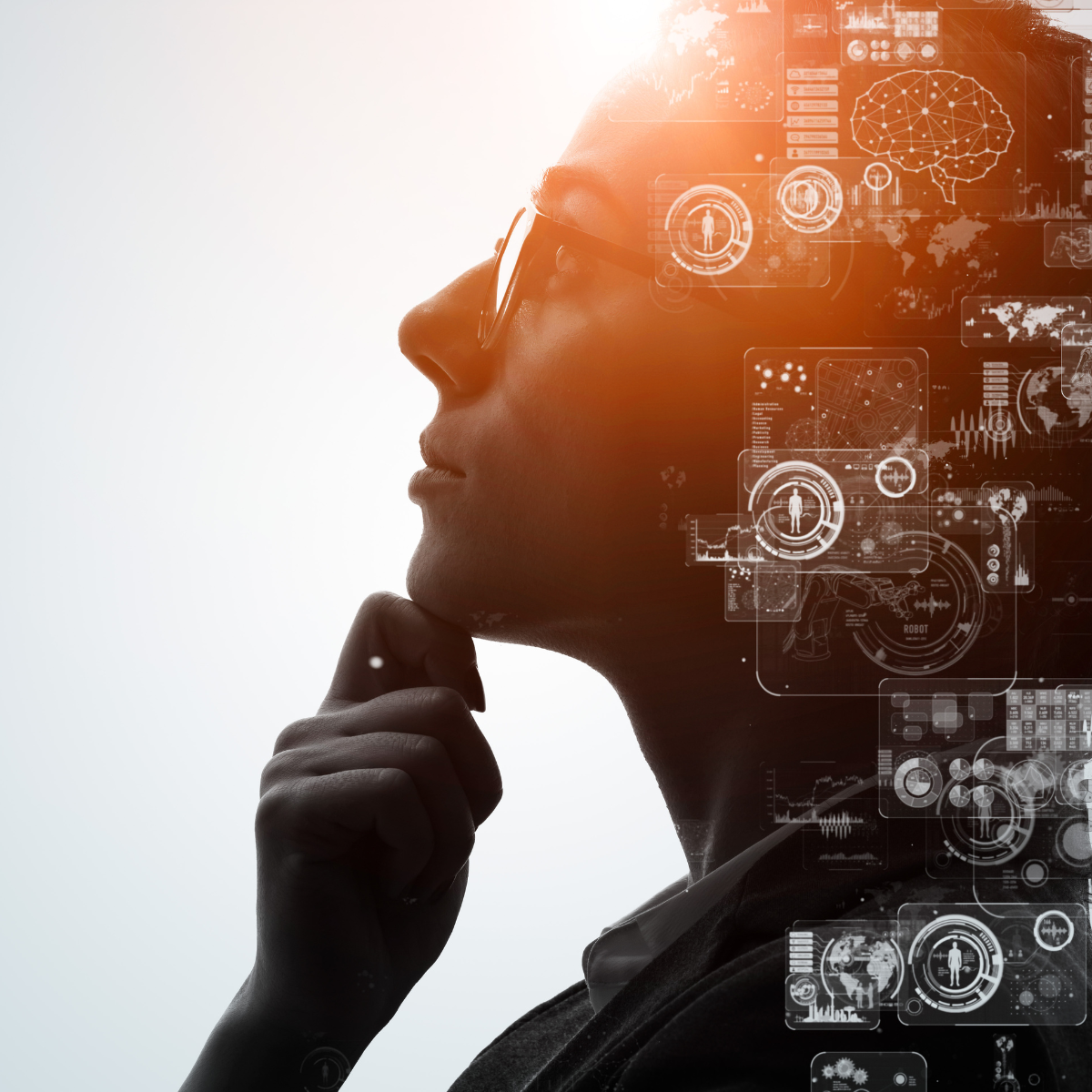
Artificial intelligence in medical imaging refers to the application of machine learning and deep learning technologies to image analysis, workflow management and reporting support in radiology. In 2026, AI is an operational reality across Australian and New Zealand radiology, with tools in active clinical use for triage, detection assistance, draft report generation and intelligent worklist prioritisation.
What Is Artificial Intelligence?
Artificial intelligence is the simulation of human intelligence in machines, enabling computer systems to process data, learn from patterns and make decisions based on what they observe. It is not a single technology but a broad field encompassing several distinct approaches.
Machine learning is a subset of AI in which computers use data and algorithms to improve their performance over time, gradually refining their ability to identify patterns and make accurate predictions. Deep learning takes this further, processing vast amounts of data through layered neural networks that function in ways broadly analogous to how the human brain processes information. Deep learning is the technology behind many of the most significant AI applications in medical imaging today.
Generative AI represents a more recent development. Rather than analysing existing data to make predictions, generative AI creates new content by identifying patterns in large datasets and producing original output from them. In radiology, this is beginning to show up in applications such as draft report generation and clinical summarisation.
How Did AI Develop Into What It Is Today?
The formal origins of AI as a field trace back to a workshop led by John McCarthy in the 1950s, where the concept of machine intelligence was first articulated as a discipline. The shift that changed everything was the availability of large datasets and the computing power to process them. Deep learning became practically viable when those two conditions were met, and from that point AI development accelerated rapidly.
Today AI is no longer an emerging technology in radiology. It is an operational reality, with tools in active clinical use across triage, detection, workflow management and reporting support. The question for Australian and New Zealand practices is not whether AI will affect how radiology operates, but how to engage with it effectively.
What Are the Key Applications of AI in Radiology Today?
Triage and prioritisation is one of the most immediately valuable applications. AI models can rapidly detect critical findings in imaging studies and surface urgent cases at the top of reporting queues, allowing radiologists to address the highest priority work first.
Detection and measurement assistance supports radiologists in image interpretation by highlighting abnormalities and providing precise measurements. These tools reduce the cognitive load of searching large image sets for subtle findings, improving both accuracy and efficiency in the reporting process.
Workflow integration is where AI tools either earn their place or fail to deliver. The most effective implementations fit directly into existing radiology workflows, connecting to the RIS and PACS rather than operating as separate systems sitting outside the core environment.
Multimodal AI and draft report generation represent the frontier of current development. Vision-language models enable AI to analyse medical images and generate preliminary radiology findings, reducing the time and cognitive effort required for each study.
For a deeper look at specific AI use cases in radiology workflow, see How Is AI Being Applied Across Radiology Practice Workflows Today?
Where Is AI Heading in Australian Radiology?
Australian radiology is actively working through the practical implications of AI adoption. RANZCR’s Intelligence26 conference in July 2026 is addressing questions including what an optimised AI-enabled radiologist workflow looks like, how AI should be implemented across clinical radiology, and the specific Australian and New Zealand considerations around medicolegal risk, compliance, data sovereignty and funding.
Radiologists are highly efficient at identifying findings in imaging studies. What creates genuine burden is the cognitive and administrative load: synthesising findings, summarising prior examinations, managing reporting queues and translating image data into structured, actionable reports. AI tools that address that burden directly are the ones delivering lasting value.
What Does AI Mean for Practice Infrastructure?
AI tools are only as useful as the data they can access and the systems they can communicate with. A RIS that supports open standards and clean integration with PACS, reporting systems and clinical data sources creates the foundation that AI tools need to operate effectively inside a workflow rather than alongside it.
Kestral’s focus on interoperability, from HL7 and K-Link through to live FHIR eRequesting, reflects this understanding. The connected practice environment is not just good operational practice today. It is the infrastructure layer that makes meaningful AI integration possible tomorrow.
For more on Kestral’s interoperability infrastructure, visit Frequently Asked Questions: Interoperability in Healthcare.