
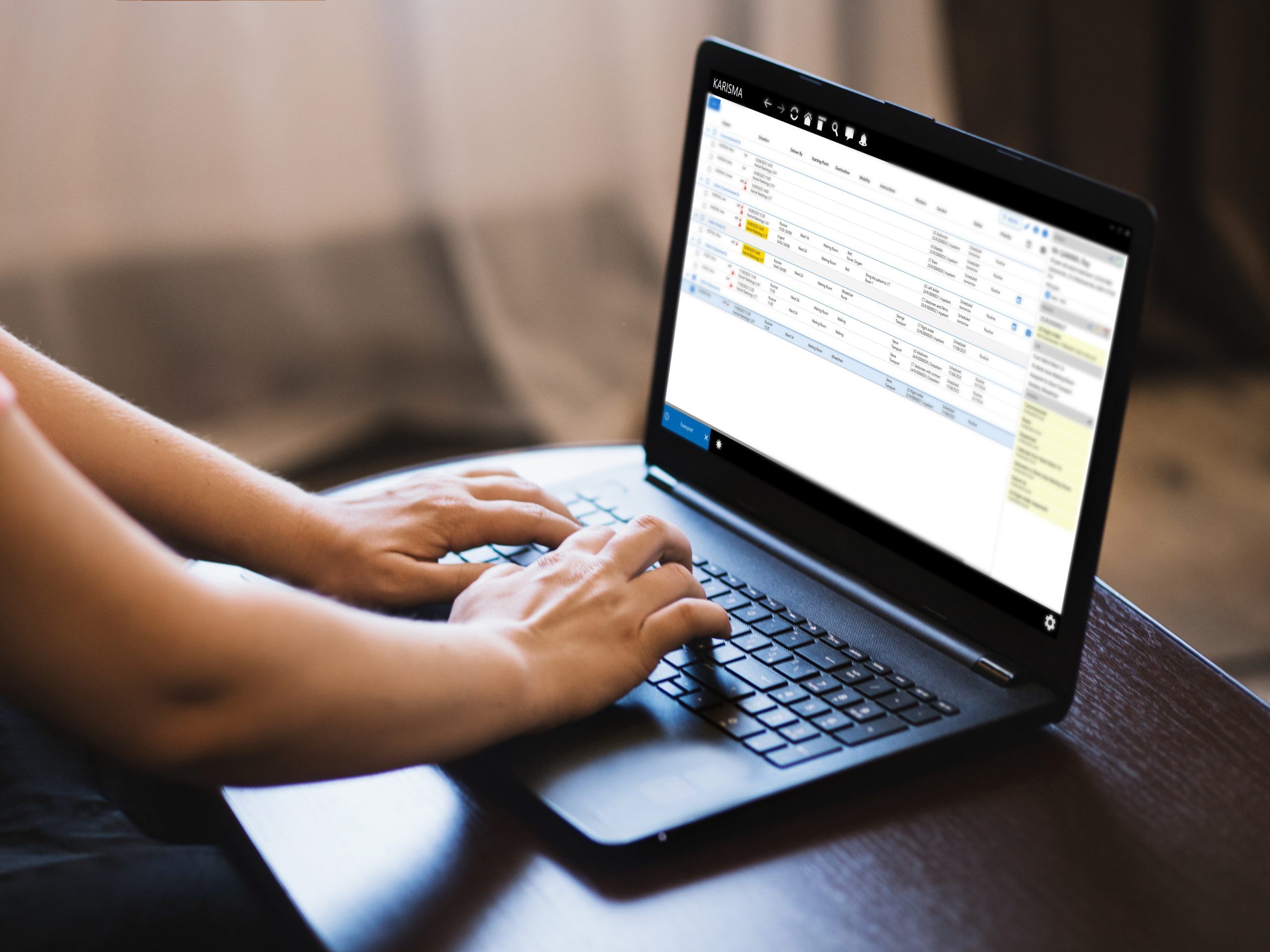
What Is the Karisma Transport Module and How Does It Improve Patient Flow in Hospital Radiology?
Target audience: Public hospitals -- Radiology Department Managers and Hospital Operations Staff
Author: [CONFIRM AUTHOR]
Internal links: See [INSERT URL: Article 17 - Approvals Module] and https://kestral.com.au/karisma/
Patient transport is one of the most consistently underestimated sources of disruption in hospital radiology departments. When patients are not in the right place at the right time, imaging schedules slip, reporting is delayed and the downstream effects ripple through departments that depend on timely diagnostic results. The Karisma Transport Module brings patient movement into the same connected workflow as scheduling, reporting and analytics, giving radiology teams the visibility they need to keep patient flow running smoothly.
For more on how the Transport Module fits within the broader Karisma suite, see https://kestral.com.au/karisma/. For the patient journey from protocolling through to transport, see [INSERT URL: Article 17 – Karisma Approvals Module].
What is the Karisma Transport Module?
The Karisma Transport Module is a patient transport management tool built directly into Karisma RIS. It gives radiology teams real-time visibility of patient movement across the hospital, including which patients need to be collected, their current location, their mobility requirements and any special clinical needs such as nurse escort, oxygen or IV support. Transport job status is tracked from commissioned through to delivered, providing a unified view of patient movement that connects directly with the scheduling and reporting workflow inside Karisma.
Why is patient transport a workflow problem in hospital radiology?
Transport is a hidden bottleneck in most hospital radiology environments. When patient movement is managed through phone calls, paper lists or systems disconnected from the RIS, delays occur without clear visibility of where they are happening or why. A patient who is not collected on time pushes back the imaging schedule, which delays reporting and affects the clinical teams waiting on results. Embedding transport management inside the RIS connects patient movement with the scheduling workflow, making delays visible and addressable before they compound.
What patient information does the Transport Module capture?
The Transport Module captures the full clinical and logistical picture for each transport job. This includes the patient’s current location and destination, mobility requirements such as bed, wheelchair, stretcher or walking, and special clinical requirements including nurse escort, oxygen or IV support. Allergies, conditions and relevant clinical notes are displayed automatically, ensuring transport staff have the information they need to move patients safely. Every job creates a timestamped timeline and audit trail, supporting compliance and providing data for ongoing operational review.
How does the Transport Module improve staff allocation in radiology departments?
The module supports configurable worker roles and priorities, allowing department managers to allocate transport staff based on the specific requirements of each job. Staff can see their assigned jobs, the clinical requirements of each patient and the current status of jobs in progress from a single view. For hospital radiology departments across Australia and New Zealand managing complex patient mixes across multiple wards and imaging modalities, this level of structured allocation has a direct impact on departmental efficiency.
How does the Transport Module connect to the broader Karisma workflow?
The Transport Module is built into Karisma RIS rather than operating as a standalone system. Patient movement is connected directly with scheduling, reporting and analytics inside the same platform. When a patient is collected and delivered, that status is visible to the scheduling and reporting teams without requiring a separate communication step. The audit trail created by every transport job feeds into Karisma’s analytics capability, giving department managers data to identify patterns and drive continuous improvement in transport workflow.
What are the patient safety benefits of the Transport Module?
Allergies, conditions and clinical notes are displayed automatically for each transport job, ensuring staff are informed of relevant safety considerations before they collect a patient. Mobility and special requirement information is captured at the point of job creation and visible throughout the job lifecycle, reducing the risk of a patient being transported without the appropriate equipment or support. For hospital radiology departments managing high-acuity patients across multiple wards, this automatic display of clinical information is a meaningful safety control that does not depend on verbal handoffs or staff memory.
Is the Karisma Transport Module suitable for large hospital networks?
Yes. The module is designed to scale with the complexity of the hospital environment it operates in. Configurable worker roles, priority settings and worklist views mean it can be adapted to the specific operational structure of each department or site. For large public hospital networks across Australia and New Zealand managing radiology services across multiple sites, the Transport Module provides consistent patient movement visibility and audit capability across the network while allowing each site to configure the workflow to its own requirements.